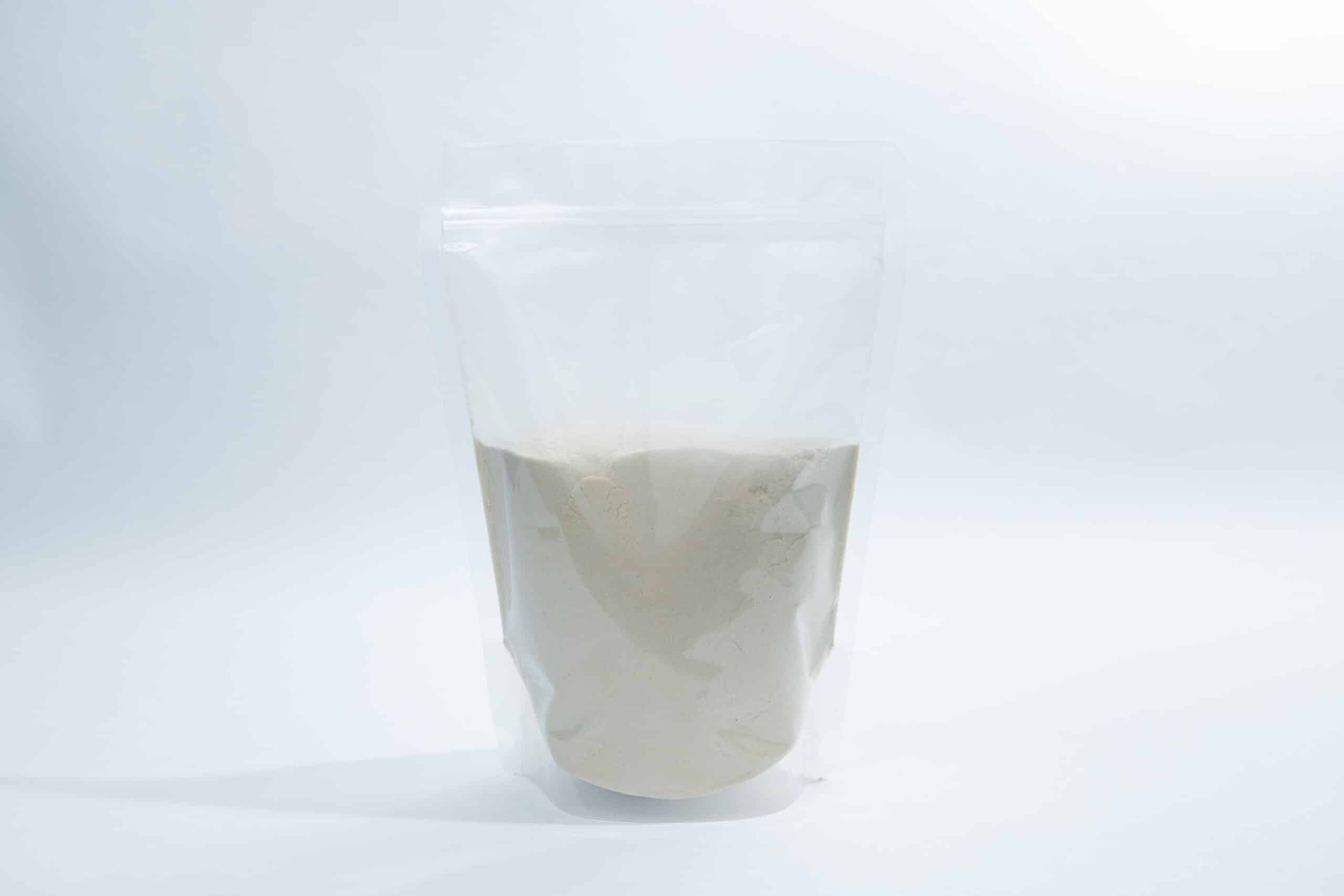
Description
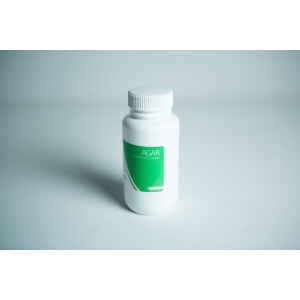
High acyl gellan gum for plant tissue culture. Soft, elastic and syneresis resistant. Gels without added cations. For long duration cultures, delicate explants and low salt media.
Rootlab Gellan Gum HA is native, high acyl gellan gum, the polysaccharide as it comes out of fermentation of Sphingomonas elodea with its glyceryl and acetyl side groups intact. Those side groups stop the polymer chains from packing tightly, so instead of a rigid lattice you get a loose, flexible network. The result is a soft, elastic gel that springs back rather than fracturing.
This is a deliberately different tool to low acyl gellan, not a cheaper substitute for it. Choose it when the properties below matter more than optical clarity.
Why high acyl
Soft and elastic. Flexible rather than brittle, which is gentler on delicate explants and is favoured by some growers at the rooting stage.
Minimal syneresis. The gel holds its water. Cultures that sit for long periods between transfers do not end up sitting in weep.
Gels without added cations. Sets reliably on its own, so it performs where low acyl struggles: low salt media, hormone free media, custom formulations and water agar equivalents.
Fully thermoreversible. Remelts on reheating, so media can be remelted and redispensed.
High setting temperature. Sets at around 70 to 80°C, so it firms up quickly after autoclaving with less time spent handling hot media.
Consistent. Fermentation derived, no seaweed source variation.
Be aware of the trade offs
High acyl gels are opalescent to hazy rather than water clear, so you cannot monitor root development or spot early contamination through the vessel the way you can with low acyl. They are also soft rather than sliceable, which makes clean scalpel work through the gel harder. If clarity and a firm cutting surface are what your protocol depends on, use Rootlab Gellan Gum LA instead.
Recommended usage
General tissue culture, soft matrix: 4.0 to 6.0 g/L
Firmer matrix: 6.0 to 8.0 g/L
Blended with low acyl to tune texture: start at 1 part HA to 3 parts LA and adjust
High acyl needs a higher loading than low acyl to reach comparable body, and even at the top of the range the feel remains soft and elastic rather than rigid. Do not expect a low acyl texture at any concentration.
Preparation
Disperse the powder into cold or room temperature water while stirring vigorously, to avoid clumping.
Add media salts, sugar and supplements, then adjust pH to 5.4 to 5.8.
Autoclave at 121°C, 15 psi, for 15 to 20 minutes.
Dispense promptly. The gel begins setting from around 70 to 80°C, so work quickly and keep media hot until dispensed.
Applications
Long duration cultures and slow growth storage where syneresis is a problem
Rooting stage media
Low salt, hormone free and custom media where low acyl gels set weakly
Delicate or browning prone explants
Fluid gels and suspension support where a soft, shear thinning matrix is wanted
Blending with low acyl to dial in a specific texture
Product details
Type: high acyl gellan gum, native
Synonyms: native gellan, HA gellan
CAS No. 71010-52-1
Appearance: off white to cream free flowing powder
Working concentration: 4 to 8 g/L for tissue culture
Gel setting temperature: approximately 70 to 80°C
Thermoreversible
Gel appearance: opalescent to hazy
Gluten free, soy allergen free, animal free, vegan
Storage: 15 to 30°C, container sealed, cool and dry
Shelf life: 18 months from manufacture, see label for expiry
Need clarity and a firm, sliceable gel? See Rootlab Gellan Gum LA.
SHARED COMPARISON BLOCK
Drop this identical block on both pages, or better, put it on a blog article and link both listings to it. Duplicating a long explainer across two product pages is exactly the sort of thing that caused your cannibalisation issues previously.
Low acyl versus high acyl gellan gum
Both come from the same fermentation. Straight out of the fermenter the polymer carries two acyl groups, glyceryl and acetyl. That is high acyl, or native, gellan. Treat it with alkali and those groups come off, leaving low acyl gellan. That single chemical step drives every difference below.
Texture. Low acyl sets hard and slightly brittle, cuts cleanly and holds its shape. High acyl is soft and rubbery, and springs back rather than breaking.
Clarity. Low acyl is optically clear. High acyl runs hazy to opalescent. This alone is why most tissue culture protocols specify low acyl.
Setting and melting. Low acyl sets around 30 to 50°C and, once set with enough cations present, is close to thermally irreversible. High acyl sets much higher, around 70 to 80°C, and is fully thermoreversible.
Cations. Low acyl needs calcium and magnesium to gel properly. Standard MS or WPM salts supply plenty, so it is a non issue in normal use, but it bites on low salt custom media. High acyl gels largely on its own and is far less fussy about ion content.
Syneresis. Low acyl gels weep a little liquid over time. High acyl gels essentially do not.
Usage rate. Low acyl runs at roughly 2 to 4 g/L for tissue culture. High acyl needs more, typically 4 to 8 g/L, and even then the feel is soft rather than rigid.
In short, low acyl is the default for plant tissue culture because clarity and a firm, sliceable matrix are what most protocols are built around. High acyl earns its place where you want a softer, more forgiving matrix, better water retention, gelling without added cations, or where syneresis is causing you grief.