



Showing 1–20 of 42 resultsSorted by popularity

Mushroom spawn is essentially a medium that has been inoculated with mycelium—the vegetative growth of a fungus. The mycelium is responsible for colonizing the growing mediu(substrate), which leads to the fruiting of mushrooms. In simpler terms, mushroom spawn is a medium, typically grain or sawdust, that has already been infused with mycelium, making it ready to be added to a bulk substrate to grow mushrooms.
Different types of medium are used to produce mushroom spawn, with grain being one of the most popular. Grain spawn is highly effective because it provides a nutrient-dense medium for the mycelium to grow rapidly, allowing it to colonize the bulk substrate it is added to quickly. Another option is Sawdust Spawn. Rootlab produces both types of spawns. Grain spawn can be bought instantly and shipped in a few days if it’s in stock; sawdust spawn is prepared on order and takes about two weeks to dispatch.
When mushroom spawn is added to a bulk substrate, such as straw, compost, or sawdust, the mycelium from the spawn will begin to grow and spread throughout the substrate in a process known as colonization. Once the mycelium has fully colonized the substrate, it will begin the process of fruiting, producing mushrooms. This process is called inoculation, which involves introducing mycelium to the bulk substrate to initiate mushroom growth.
The success of the mushroom-growing process depends heavily on the quality of the spawn. High-quality mushroom grain spawn ensures that the mycelium is strong, healthy, and capable of rapidly colonizing the substrate, leading to better yields and fewer chances of contamination.
Mushroom cultivation offers a wide range of choices in terms of species, each with its own unique characteristics, flavors, and cultivation requirements. Here’s a look at some popular mushroom species you can grow using grain spawn:
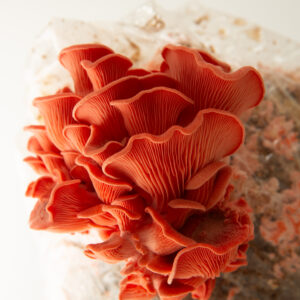
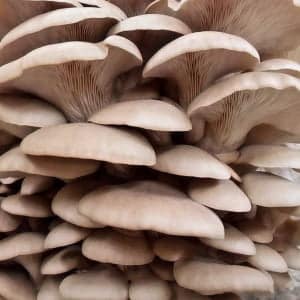
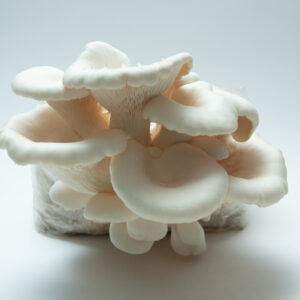
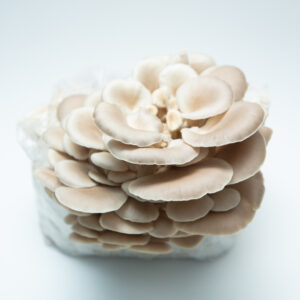
Pink Oyster mushrooms are visually striking with their vibrant pink color. They are known for their quick growth and ability to adapt to a variety of substrates, making them ideal for beginners. Pink Oysters thrive in warmer conditions and produce clusters of delicate, coral-like mushrooms.
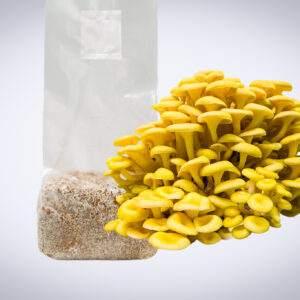
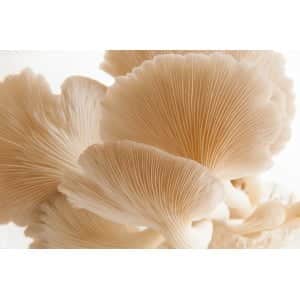
Yellow Oyster mushrooms are known for their bright yellow hue and nutty flavor. They grow rapidly and produce beautiful, fan-shaped fruiting bodies. Like Pink Oysters, they prefer warm conditions and are highly productive.
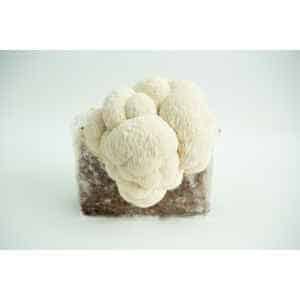
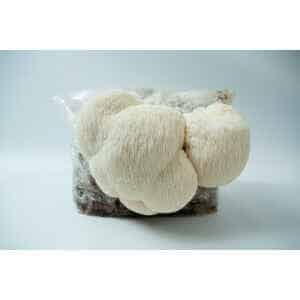
Lion’s Mane mushrooms are highly sought for their medicinal properties and unique, cascading appearance. They produce large, fluffy clusters resembling a lion’s mane and have a texture similar to seafood when cooked.
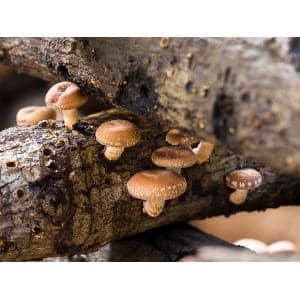
Shiitake mushrooms are one of the most popular mushrooms worldwide, known for their rich, umami flavor and numerous health benefits. Shiitake spawn is often used to inoculate logs for outdoor cultivation, but it can also be grown on sawdust indoors.
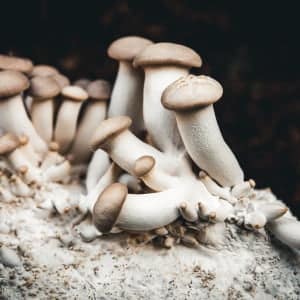
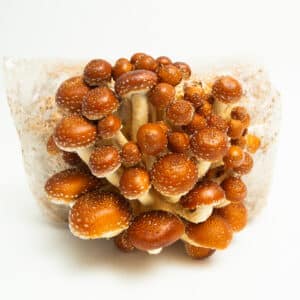
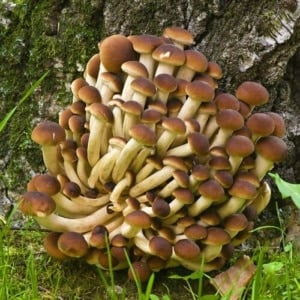
Chestnut mushrooms are known for their rich, nutty flavor and attractive brown caps. They grow well on sawdust and are suitable for both indoor and outdoor cultivation.
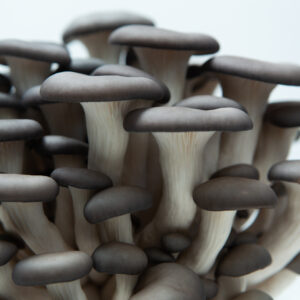
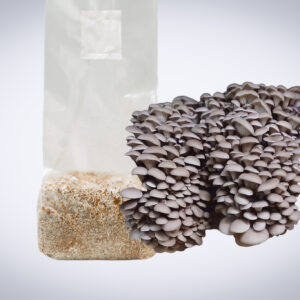
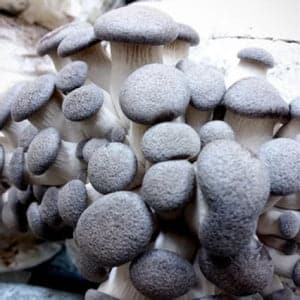
Blue Oyster mushrooms are named for their striking blue color during early stages of growth. They are hardy and grow quickly, making them a favorite for both beginners and experienced cultivators.
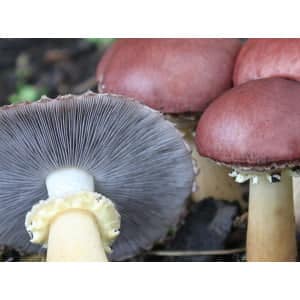
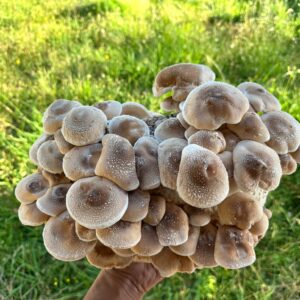
Also known as Garden Giants, Wine Cap mushrooms are ideal for outdoor garden beds. They are known for their large, reddish-brown caps and ability to grow in a variety of outdoor environments.
King Oyster mushrooms have thick, meaty stems and small caps, making them excellent for culinary uses. They prefer cooler temperatures and have a longer growing cycle compared to other Oyster mushrooms.
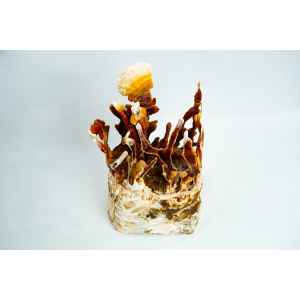
Reishi mushrooms are renowned for their medicinal properties and are traditionally used in herbal medicine. They have a tough, woody texture and are primarily used for making teas and tinctures rather than culinary purposes.
Enoki mushrooms are long, thin, and white, often used in soups and Asian cuisine. They require cooler temperatures and can be grown in jars or bottles to achieve their characteristic shape.
Field Blewit mushrooms are known for their vibrant purple color and earthy flavor. They grow well in outdoor beds and are often found in forested areas.
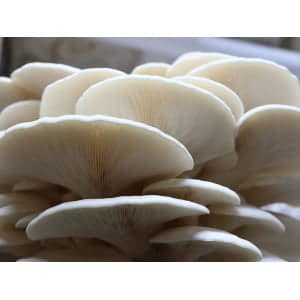
Selecting the suitable mushroom species to cultivate depends on several factors, including your growing environment, the type of substrate available, and your desired end use. If you’re a beginner, Oyster mushrooms (Pink, Yellow, Blue, White or Tan) are great options due to their adaptability and fast-growing nature. If you’re looking for a mushroom with medicinal benefits, consider growing Lion’s Mane, Reishi, Shiitake or Turkey Tail.Although Shiitake and Lions mane can also be used as gourmet mushrooms.
Key Considerations for Choosing Mushroom Spawn
When growing mushrooms, the quality of your mushroom spawn can significantly impact the overall success of your crop. Poor-quality spawn can lead to slow colonization, contamination, or low yields. For this reason, it’s essential to source your spawn from a reputable supplier.
At Rootlab, we pride ourselves on providing high-quality mushroom grain spawn that is cultured in sterile conditions and grown on nutrient-rich Australian wheat grains. Our spawn is produced in clean rooms and laboratories to ensure minimal risk of contamination and maximum growth potential.
Using high-quality mushroom spawn offers several key benefits:
Using mushroom spawn is a relatively simple process, but attention to detail is essential to avoid contamination and ensure successful mushroom growth. Here’s a step-by-step guide to using mushroom grain spawn:
It’s important to understand the difference between mushroom spawn and spores. While both are used to grow mushrooms, they are at different stages in the mushroom life cycle.
While spores can be used to grow mushrooms, they are typically only handled in laboratory conditions due to the high risk of contamination. Mushroom spawn, however, is much more accessible for both home-growers and commercial farmers.
At Rootlab, we offer the highest-quality mushroom grain spawn available in Australia. Our spawn is carefully cultivated in sterile, controlled environments to ensure it is free from contaminants and primed for rapid growth. We offer a variety of mushroom species to suit different growing needs, and our spawn is perfect for both small-scale home cultivation and large-scale commercial production.
Whether you’re growing oyster, shiitake, or lion’s mane mushrooms, our premium mushroom spawn will help you achieve the best possible results. Our commitment to quality ensures that our spawn is the same as what we use daily for our commercial fruiting block production.

The shelf life of mushroom spawn can vary based on storage conditions. Generally, if kept in a cool, dark place (ideally at temperatures between 2°C and 10°C), grain spawn can last anywhere from 2 to 3 months. However, once opened, it's best to use it within 2 weeks for optimal results, as exposure to air can lead to contamination and degradation of the spawn.
There are some temperature-sensitive tropical species, like pink oysters, almond mushrooms, and woodear, which need to be stored at 10°C. All other species not cold-sensitive can be kept at 2°C,
Spawn kept at 2°C will last for twice as long, and then spawn will be kept at 4 °C.
The best time to use any spawn is within 21 days for maximum benefit from the manufacturing date. This is only possible if you preorder your spawn or make it yourself.
The life cycle of mushroom spawn involves several stages:
Mushroom Maturity: The mushrooms grow to maturity, eventually producing their own spores to continue the cycle.
You can use part of the spawn and save the rest for later use. However, keeping the remaining spawn in a cool, dark place is essential to prolong its shelf life.
Make sure the bag is heat-sealed again to prevent contamination. If you do not have a heat sealer, consider our bag sealer.
Keep in mind that the quality of the saved spawn may diminish over time, so it's best to use it as soon as possible for optimal results or within 2 weeks of opening. An opened spawn has a high chance of contamination even if stored in the fridge at the ideal temperature. Try using all your spawns at the same time.

Join the mushroom revolution and sign up to unlock a discount on your first order.

Sign up to our SMS/WhatsApp list and we'll text you with the biggest sales and alerts.
No thanks
Welcome to the Rootlab community! You've unlocked access to:

Plus 5% off your first order — check your inbox!
Join Waitlist
We will inform you when the product arrives in stock.
Please leave your valid email address below.