Description
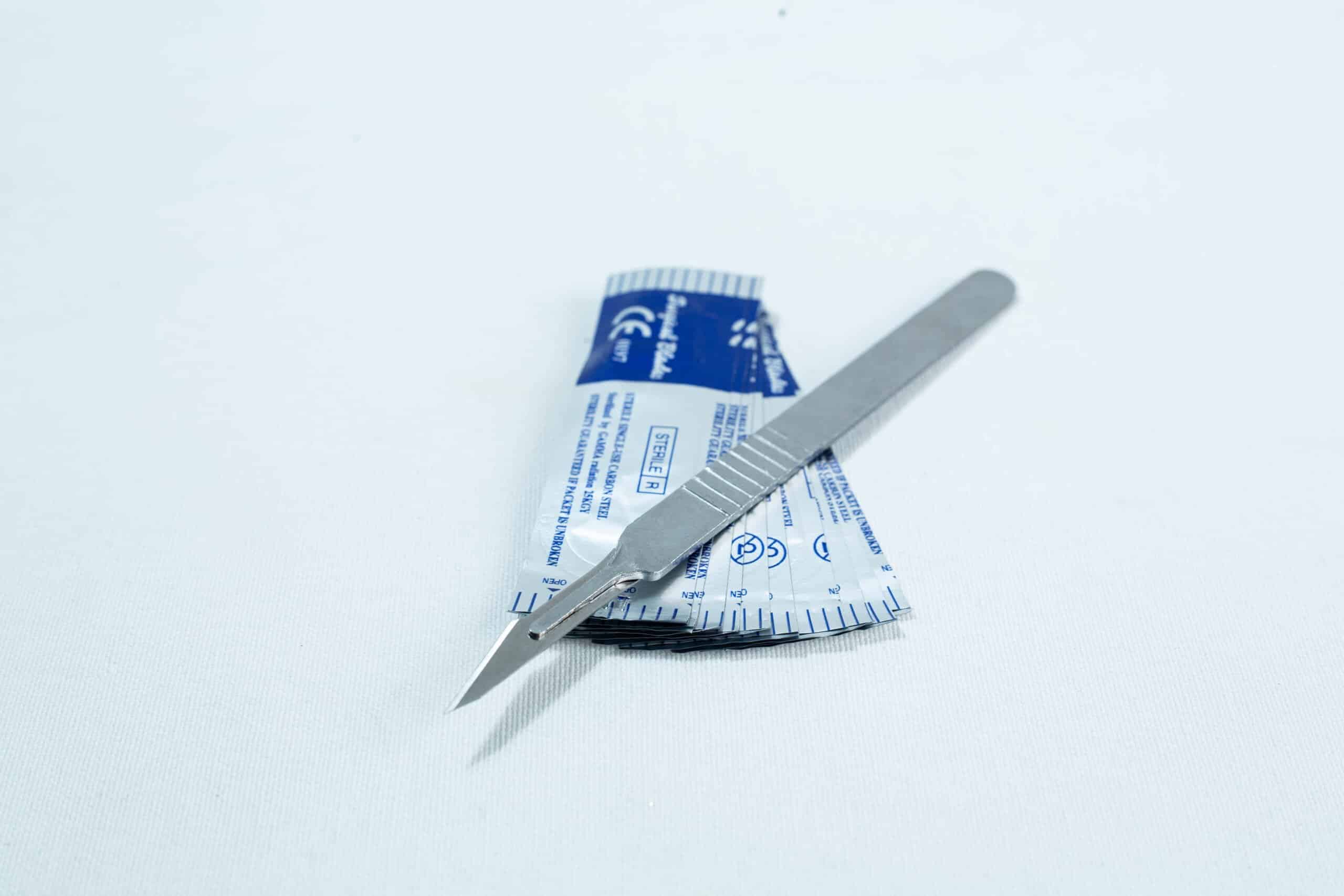
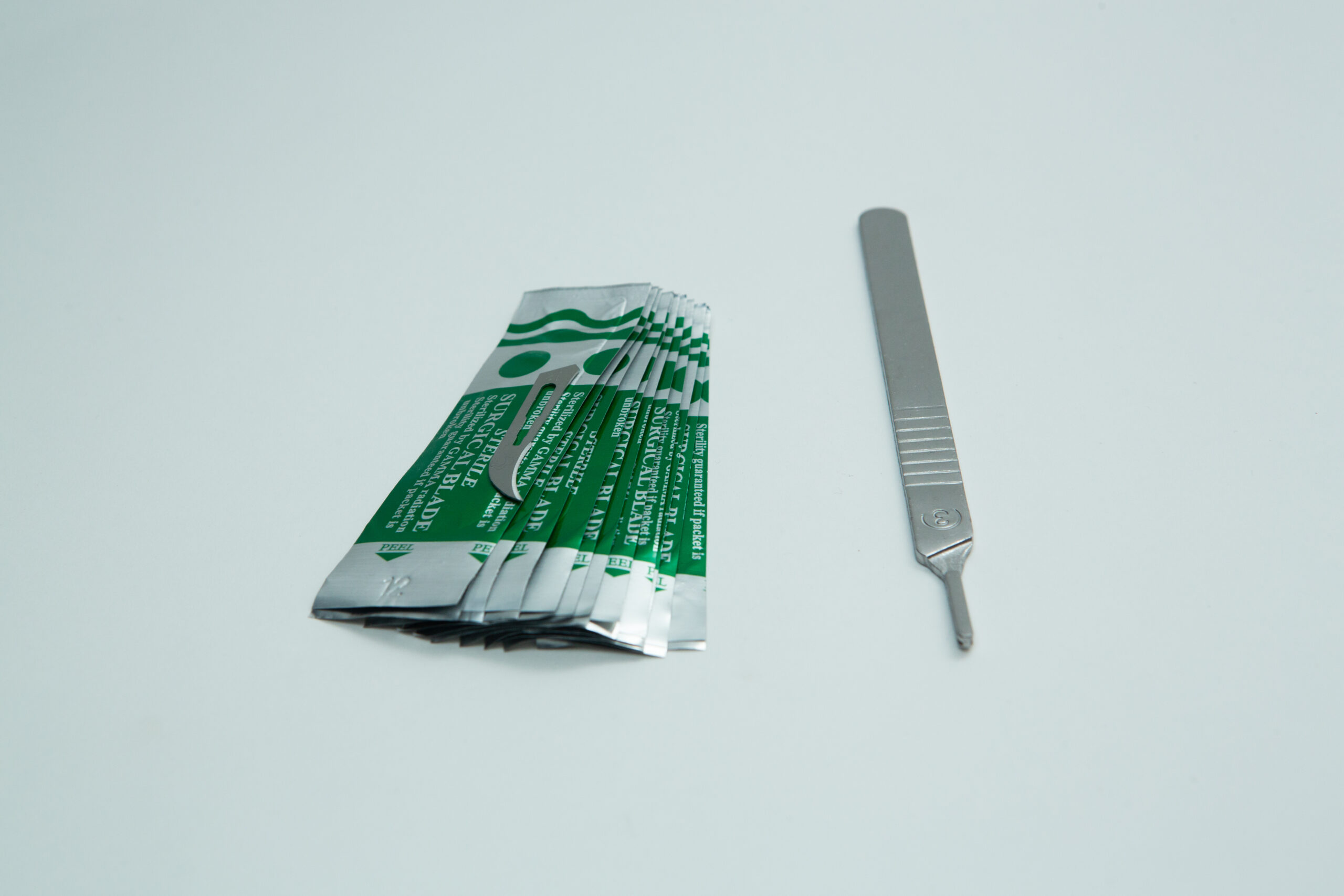
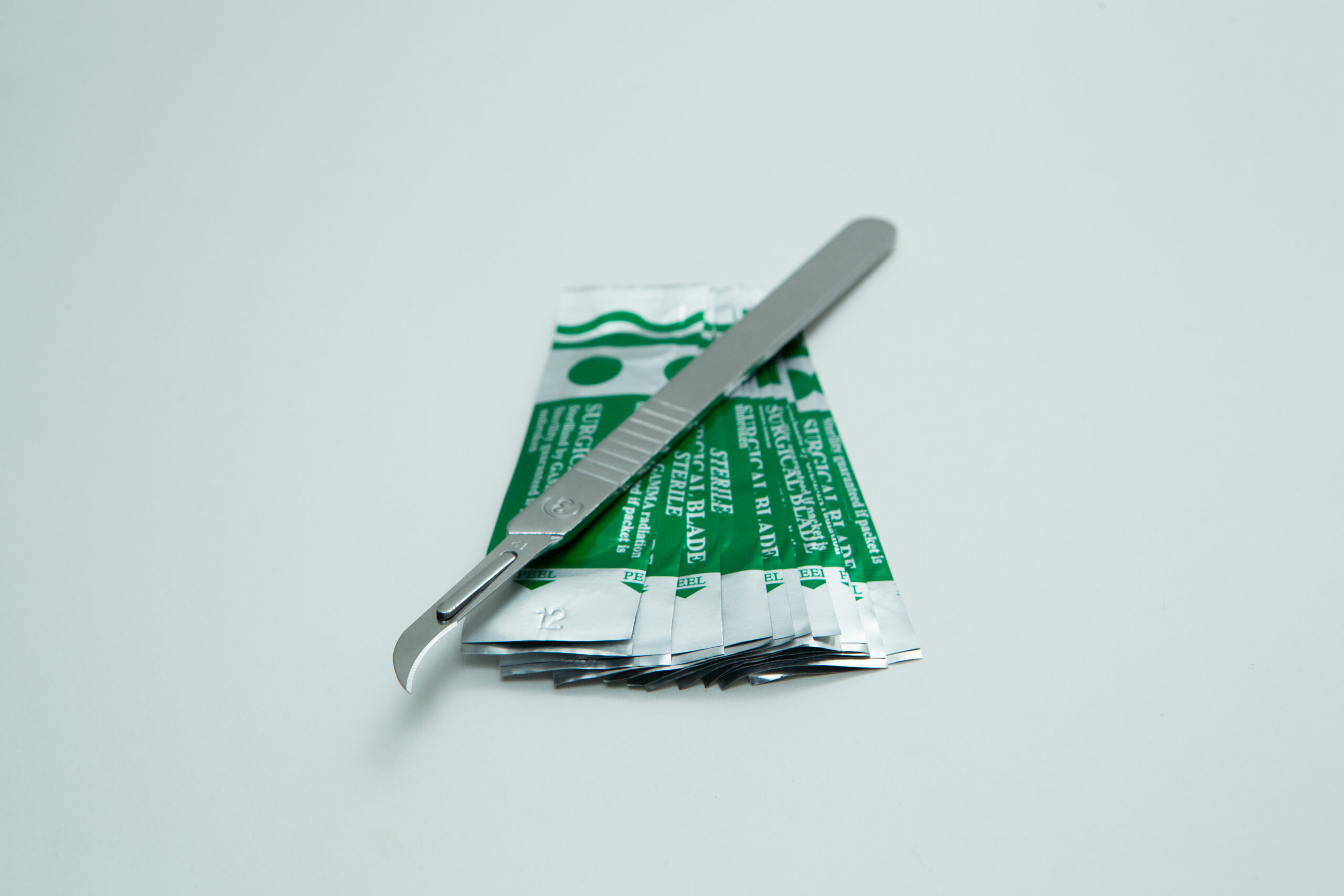
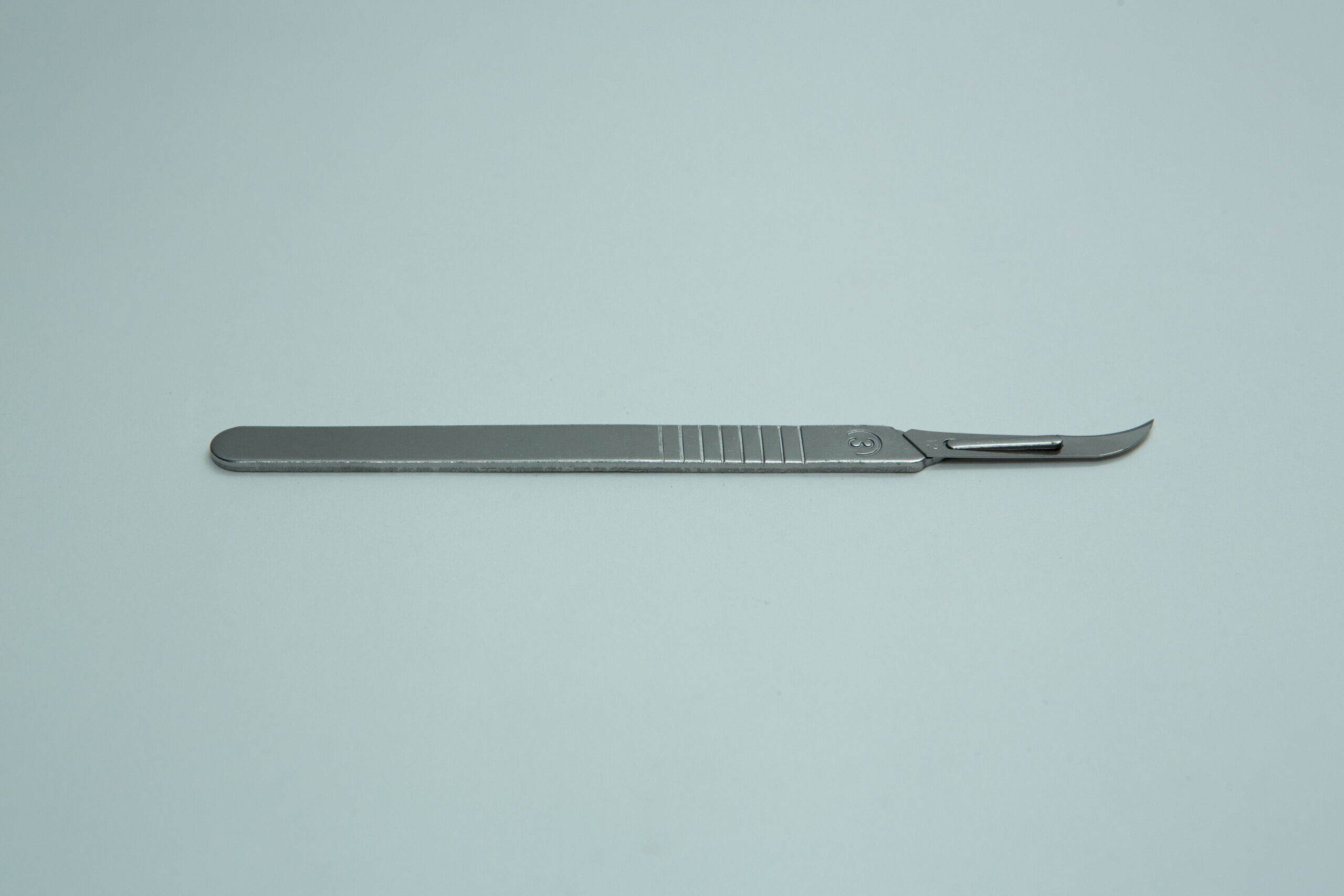
Stainless Steel Scalpel Handle #3 with Carbon Steel Blades (#11 or #12) – Mycology
New to this and not sure which blade to pick? Choose blade #11. It’s the standard all-rounder for agar plate work and the easiest to control while you’re learning. You can always add #12 later once you start working with slants.
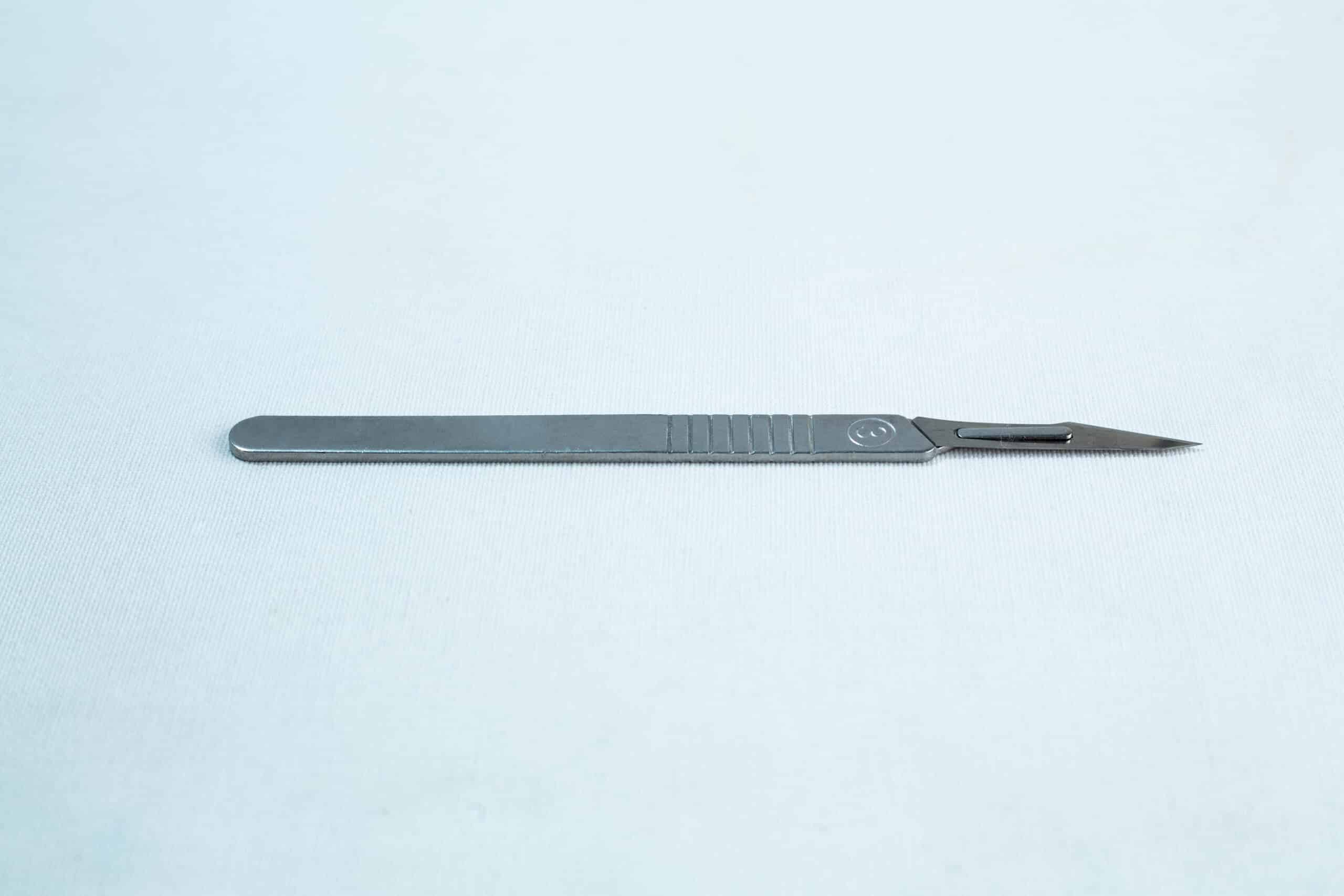
This metal scalpel is comfortable and convenient to use. Its lightweight, simple design makes it easy to cut and experiment with. It’s widely used in mycology, molecular biology and microbiology. The handle is made from stainless steel, so it’s highly durable and stable, resistant to flame until it is red hot without damage.
In mycology, this tool is used to remove a piece of an inoculated agar plate or slant and transfer it to another dish, liquid culture or grain spawn. We use these specifically for agar and slant transfers.
Choosing your blade: #11 or #12
You now choose between two carbon steel blades to suit the job. The #3 handle fits both, so you can swap between them.
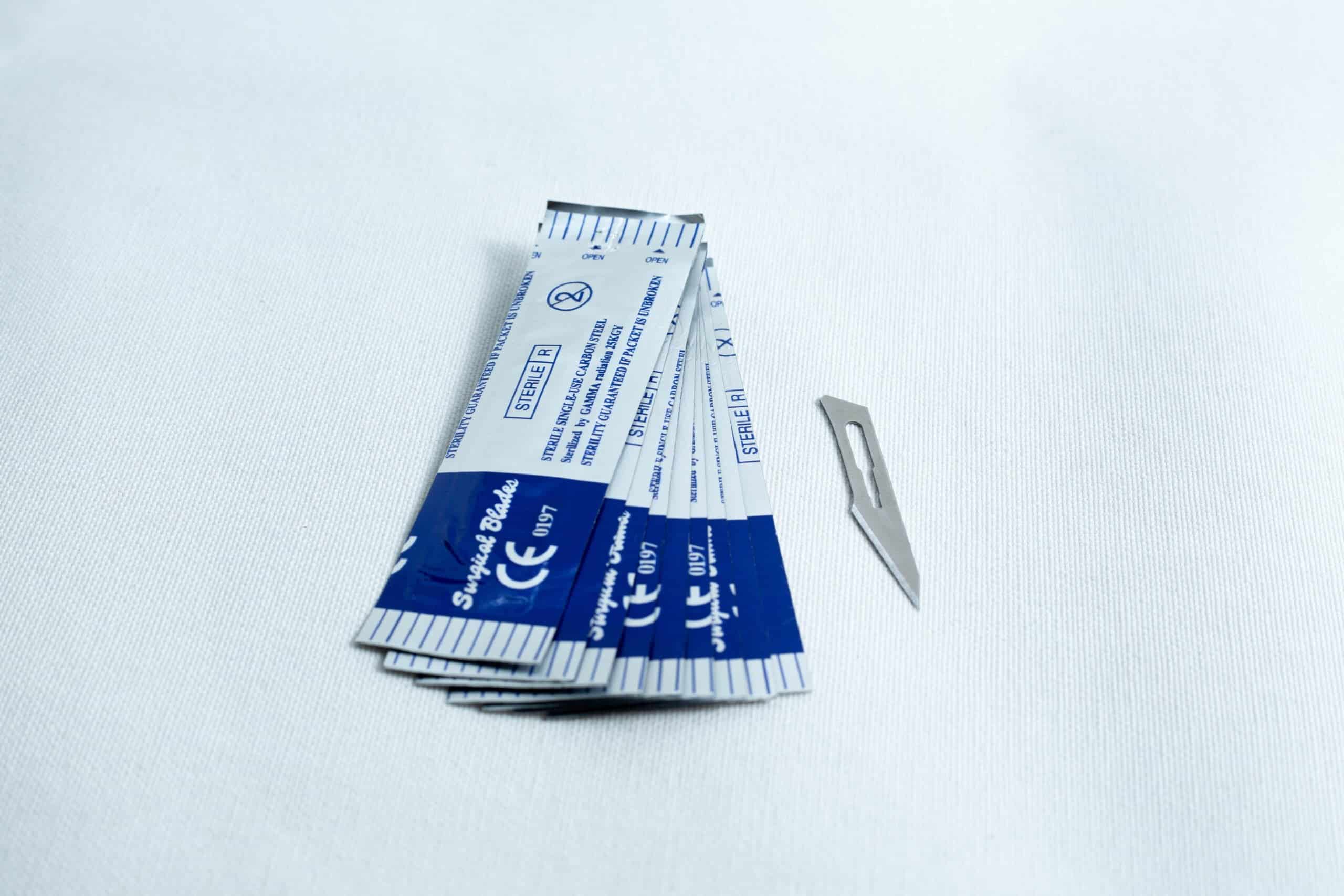
Blade #11 (straight point) : Our default and the best place to start. It has a straight cutting edge tapering to a fine, sharp point. That point gives you precise control for scoring and lifting small wedges of mycelium off a flat agar plate. If you’re new, or you mostly work with Petri dishes, this is the one to choose.
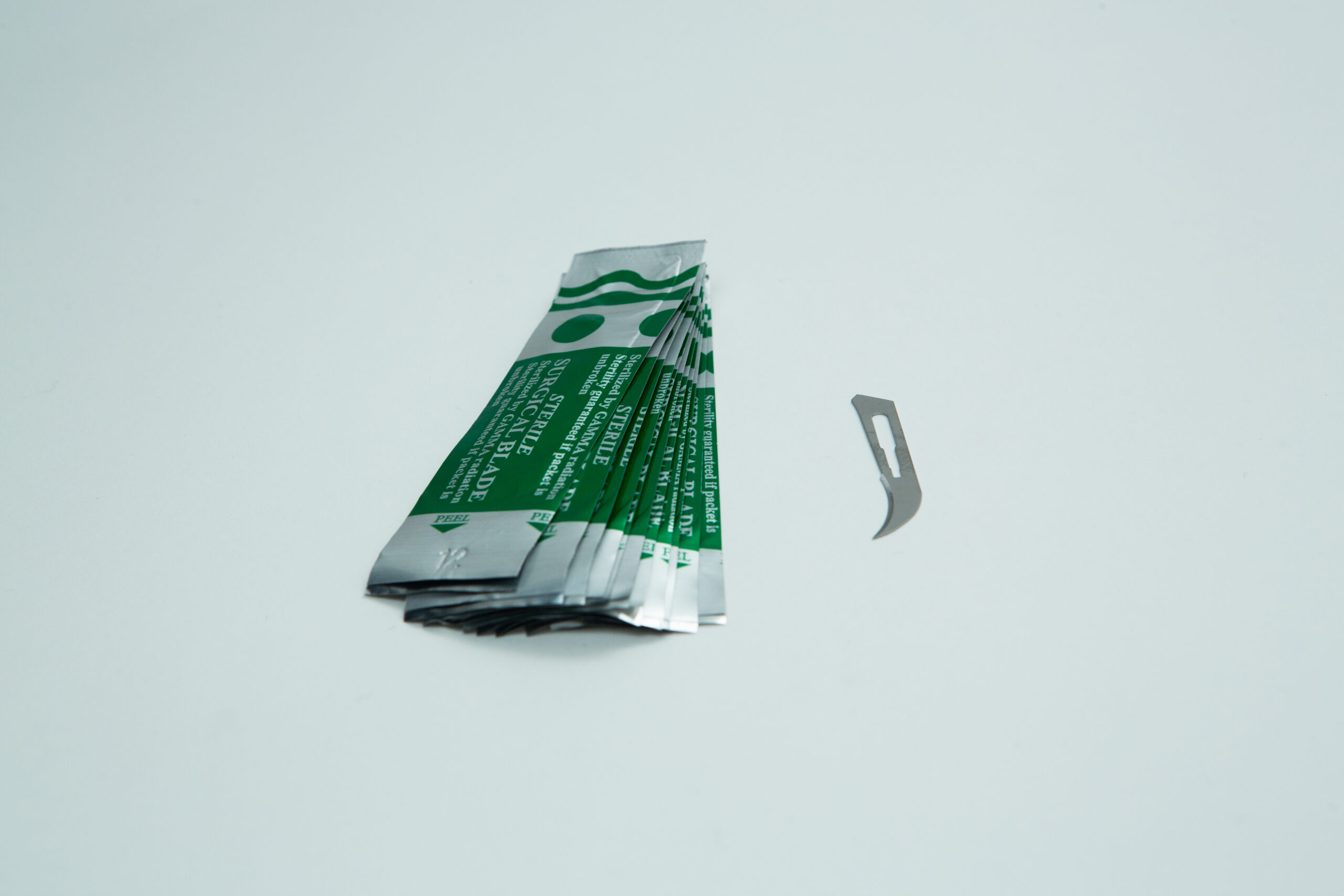
Blade #12 (curved hook) : A crescent or hook shaped blade with the cutting edge on the inside of the curve. The curve lets you reach down into the narrow neck of a slant tube and hook or scoop a piece of culture off the angled agar surface, which a straight blade struggles to do. Choose #12 if you work a lot with agar slants in test tubes
Plenty of growers keep both: #11 for plates, #12 for slants. Default option is blade #11 with the handle.
Carbon steel vs stainless steel
You’ll notice the handle is stainless steel and the blades are carbon steel. That’s deliberate.
Stainless steel contains chromium, which makes it highly corrosion resistant and hard-wearing. That’s exactly what you want in a handle you’ll reuse and flame hundreds of times.
Carbon steel takes a much finer, keener edge than stainless and holds it better. It can be hardened to a higher degree, so the bevel is ground thinner and sharper. For slicing cleanly through agar and mycelium without dragging or tearing, a sharper carbon steel blade gives you a cleaner cut and less disturbance to your culture. The trade-off is that carbon steel will rust if left wet, so treat the blades as consumables and replace them rather than storing them long term.
Sterilising
Only the blade needs to be sterile for a transfer. You can sterilise it with dry heat from a Bacti Cinerator or in the flame of an alcohol lamp. Heat the blade until it glows red hot, then let it cool for several seconds before it touches your culture. A blade that is too hot will kill the tissue you are trying to transfer and can cook the agar. Work close to your flame or steriliser to keep the field clean.
Pre-sterilised blades and how to fit one without touching the edge
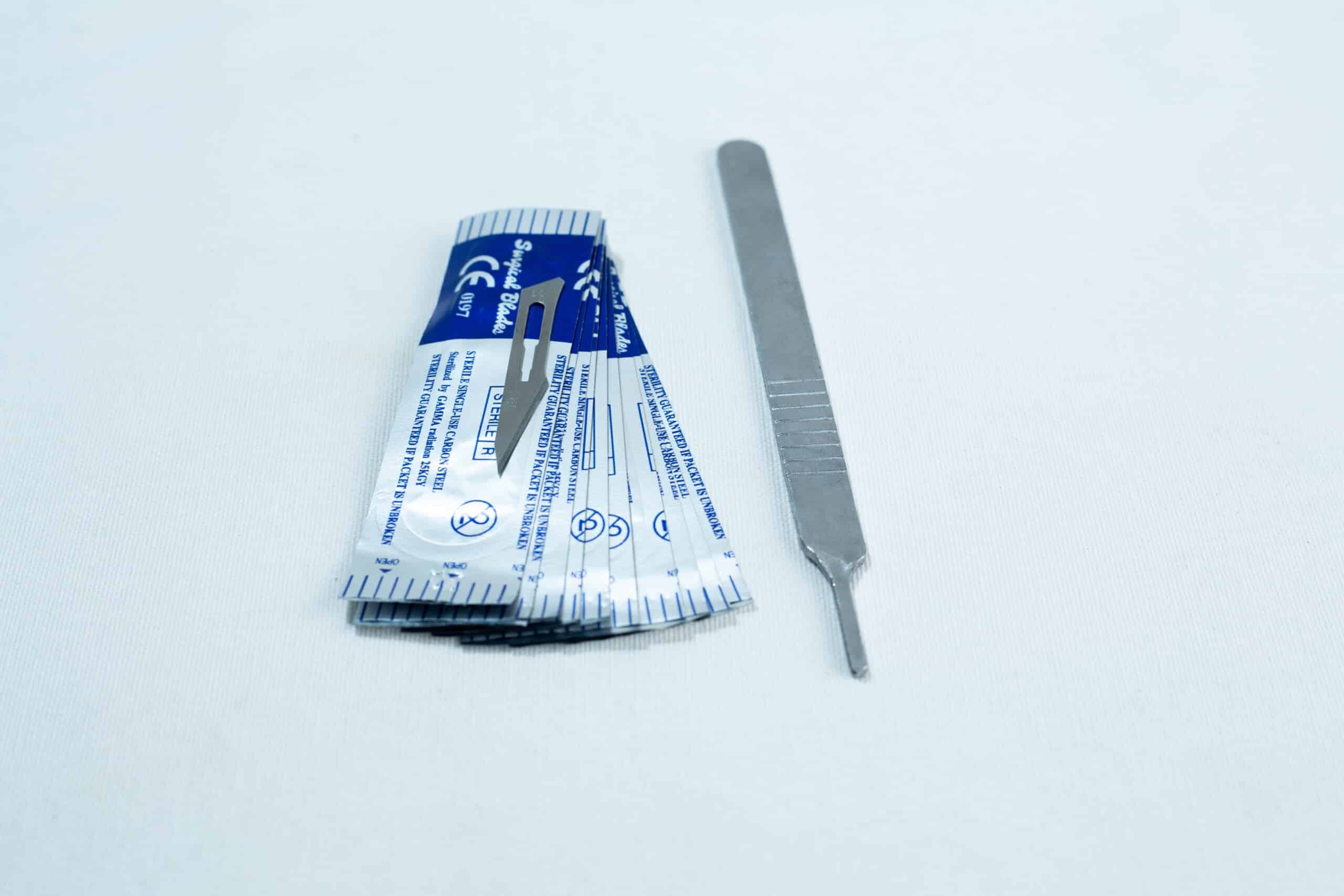
The blades arrive individually sealed and pre-sterilised, so a fresh blade is ready to use straight from the pouch. To keep it sterile, don’t touch the blade with your fingers. Fitting a blade to the #3 handle:
- Open the foil pouch at the marked end.
- Keeping the blade inside the pouch, line up the angled slot in the blade with the lug on the handle.
- Grip the blunt back edge of the blade through the pouch, or with forceps or a needle driver, slide it onto the handle until it clicks home, then peel the pouch away.
- To remove a used blade, lift the back of the blade slot off the lug with forceps and slide it off, away from your body. Never use bare fingers.
Because a fresh blade is already sterile, you often don’t need to flame it before the first cut. Flaming discolours and slightly blunts carbon steel, so only re-sterilise between cuts or when reusing a blade.
Safety
- These blades are extremely sharp. Always cut and slide blades away from your body and hands.
- Mount and remove blades with forceps or a needle driver, never bare fingers.
- Let flamed blades and the handle cool before handling, both to avoid burns and to protect your culture.
- Dispose of used blades in a proper sharps container, not loose in general waste.
- Keep out of reach of children.
Your purchase includes your choice of:
- 1 x scalpel handle (#3) plus 10 x blades (choose #11 or #12)
- 1 x scalpel handle (#3) plus 20 x blades (choose #11 or #12)
- 10 x blades only (choose #11 or #12)
Product Specifications:
- Handle Length: 145mm
- Blade Length: 45mm
- Blade Model: 11 or 12 (your choice)
- Blade Material: Carbon Steel
- Handle Type: #3
- Handle Material: Stainless Steel
Check our Shopping list to Make Liquid Culture and Transfer spores to Agar.