



Showing all 8 resultsSorted by popularity
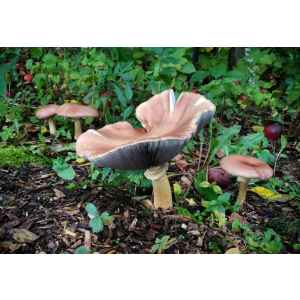
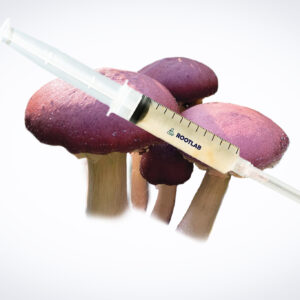
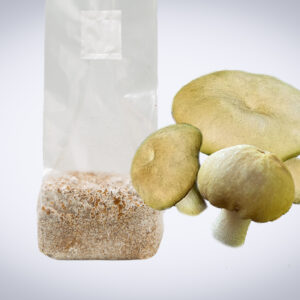
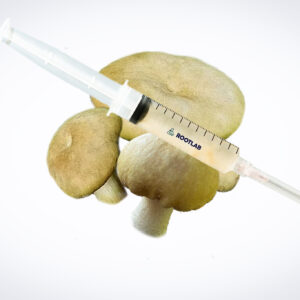
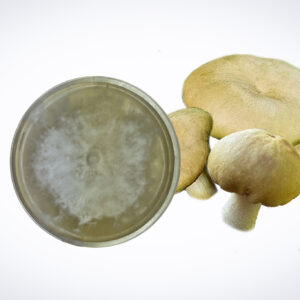
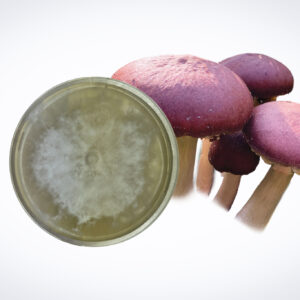
The wine cap mushroom (Stropharia rugosoannulata), often called the ‘garden giant’ or ‘burgundy mushroom’, is a robust and highly sought-after fungus. Known for its distinct colour and impressive size, it is a favourite among both foragers and home gardeners. These mushrooms are vigorous decomposers that thrive in hardwood mulch and woodchip beds, making them an excellent addition to vegetable gardens and permaculture setups.
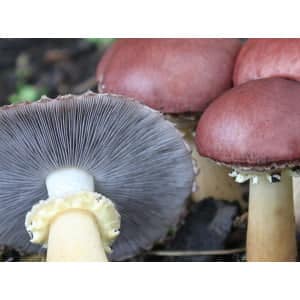
Proper wine cap mushroom identification is essential before consuming any fungus. When young, these mushrooms have a distinct, dark burgundy or reddish-brown cap. As they mature, the colour fades to a pale tan or light brown.
| Feature | Description |
| Cap | 5 to 15 cm across (sometimes larger). Bell-shaped when young, flattening out as it matures. Burgundy red, fading to tan. |
| Gills | Attached to the stem. Start pale grey and turn dark purplish-grey to black as the spores mature. |
| Stem | Thick, white, and often features a prominent, thick, wrinkled ring (annulus). |
| Base | Often attached to thick, white, stringy root-like structures called rhizomorphs. |
| Spore Print | Dark purplish-black to dark grey-black. |
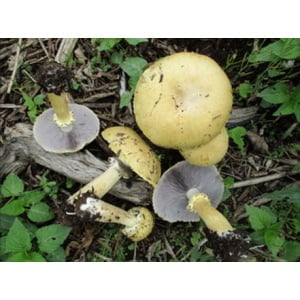
While this species has distinct features, there are a few wine cap mushroom look alikes to be aware of. In Australia, the Redlead Roundhead (Leratiomyces ceres) frequently grows in the same woodchip environments. While it has a red cap and dark spores, it is generally much smaller, has a brighter red/orange cap, and lacks the thick, wrinkled ring on the stem.
Some Agaricus species can also look similar when the wine cap fades to tan, but Agaricus mushrooms typically have chocolate-brown spores rather than purplish-black ones. Never consume a wild mushroom unless you can identify it with 100% certainty.
A common question among beginners is: are wine cap mushrooms edible? Yes, they are highly regarded edible mushrooms. However, they must always be cooked before consumption. Eating them raw can cause gastric upset although some people put them raw in their salad but is never recommended. Harvest them young and they will taste much better.
You can absolutely eat them, and they are versatile in the kitchen. They hold their shape well during cooking, making them perfect for grilling, roasting, or adding to stews and stir-fries. The stems are slightly more fibrous than the caps, so some cooks prefer to chop the stems finely or use them to flavour broths.
If you are wondering what do wine cap mushrooms taste like, they offer a rich, earthy, and slightly nutty flavour. Many people note a texture similar to asparagus or potato, with a savoury umami profile that sometimes carries faint hints of red wine. Their mild but distinct taste makes them an excellent substitute for standard button or portobello mushrooms.
Like most culinary fungi, these mushrooms are low in calories but rich in essential nutrients. Exact nutritional profiles can vary slightly depending on the substrate they are grown in, but the table below outlines the general wine cap mushroom nutrition based on a standard 100 g serving of fresh mushrooms.
| Nutrient | Approximate Value per 100 g (Fresh) |
| Calories | 25 – 30 kcal |
| Protein | 2.5 g – 3 g |
| Carbohydrates | 4 g – 5 g |
| Fat | < 0.5 g |
| Fibre | 2 g – 2.5 g |
| Key Vitamins & Minerals | B Vitamins (Riboflavin, Niacin), Potassium, Iron, Calcium |
When looking at wine cap mushroom benefits, their dietary value stands out. They are an excellent source of dietary fibre and plant-based protein, making them a great addition to vegetarian and vegan diets.
Regarding specific wine cap mushroom health benefits, they contain complex carbohydrates like beta-glucans, which are commonly associated with supporting a healthy immune system. They also provide antioxidants that help protect cells from free radical damage. While they are a highly nutritious whole food, they should be enjoyed as part of a balanced diet rather than treated as a medical remedy.
Cultivating this species is incredibly rewarding. Because they are aggressive colonisers, growing wine cap mushrooms is generally considered one of the easiest introductory projects for beginner mycologists and gardeners.
To get started, you will need to buy wine cap mushroom Outdoor Spawn. Spawn is essentially the ‘seed’ of the mushroom, a carrier material fully colonised by the mushroom’s mycelium.
Using wine cap mushroom sawdust spawn / Rootlab wine cap outdoor spawn is the most effective method for inoculating outdoor woodchip beds. Sawdust spawn mixes easily into the substrate, allowing the mycelium to spread rapidly. Alternatively, a wine cap mushroom kit may provide a smaller, self-contained growing experience, though this species vastly prefers open, outdoor beds over enclosed indoor fruiting blocks. Whether you need bulk spawn for a large garden bed or specialised cultivation supplies, reputable Australian suppliers like Rootlab provide high-quality cultures suited for local conditions.
For those interested in how to grow wine cap mushrooms outside, the process is straightforward. They thrive in outdoor garden beds, specifically in woodchips or straw.
For cultivators of the wine cap mushroom, Australia offers excellent conditions, particularly in the temperate southern and coastal regions where autumn and spring provide ideal fruiting weather. You will often spot wine cap mushrooms growing vigorously shortly after heavy seasonal rainfall.
Understanding the correct wine cap mushroom growing temperature is key to a successful harvest.
A major advantage of outdoor cultivation is the longevity of the patch. Do wine cap mushrooms come back every year? Yes, they can be perennial if properly maintained. Because they consume the woodchips for energy, the bed will eventually break down into rich compost. To keep the patch alive year after year, simply add a fresh layer of hardwood chips to the bed every spring or autumn to provide a new food source for the mycelium.

Absolutely. They are excellent for cooking and can be used in roasting, grilling, stews, and stir-fries. They hold their firm texture well when exposed to heat.
They have a mild, earthy, and nutty flavour, often compared to the taste of potatoes or asparagus, sometimes with subtle hints of red wine.
Yes, an outdoor patch will return annually if you continue to 'feed' it by adding fresh hardwood woodchips or straw every 12 to 18 months.
They are best grown by layering colonised sawdust spawn between layers of fresh hardwood chips directly on the ground in a shaded area, keeping the bed moist until fruiting occurs.
Select a shaded spot in your garden, lay down wet cardboard, and build a bed using alternating layers of hardwood chips and mushroom spawn. Water it regularly so it stays damp, and wait for the seasonal temperature drops in autumn or spring to trigger fruiting.
The mycelium colonises best at warm temperatures between 21°C and 26°C. However, the actual mushrooms fruit when temperatures drop to between 10°C and 20°C.
They are excellent garden companions. They aggressively break down woodchips into rich, organic compost, improve soil structure, and attract earthworms, all while providing a generous yield of edible food.
They are low in fat and calories while providing a good source of dietary fibre, plant-based protein, B vitamins, and antioxidants. They also contain beta-glucans, which are known to support general immune health.
Look for a burgundy-red to tan cap, dark purplish-black gills, a thick white stem with a deeply wrinkled ring (annulus), and white root-like threads (rhizomorphs) at the base of the stem. They leave a distinct purplish-black spore print.
In Australia, the most common look-alike in woodchip beds is the Redlead Roundhead (Leratiomyces ceres). Some field mushrooms (Agaricus species) may also look similar when the wine cap fades to tan, but Agaricus species have chocolate-brown spore prints.
You can purchase spawn from specialised mycological suppliers and mushroom farm stores online. Look for reputable Australian sellers to ensure the spawn is fresh and suited to local climates.
Yes, sawdust spawn is actually the preferred and most successful method for inoculating outdoor woodchip beds because the small particles distribute evenly and colonise the woodchips rapidly.
A kit is generally a pre-colonised block of substrate ready to fruit. While you can buy them, Wine Caps prefer to spread out in outdoor soil and woodchip beds rather than fruiting from small indoor blocks. Kits are often best used as 'spawn' to inoculate a larger garden bed.

Join the mushroom revolution and sign up to unlock a discount on your first order.

Sign up to our SMS/WhatsApp list and we'll text you with the biggest sales and alerts.
No thanks
Welcome to the Rootlab community! You've unlocked access to:

Plus 5% off your first order — check your inbox!
Join Waitlist
We will inform you when the product arrives in stock.
Please leave your valid email address below.