

Ignite your students’ passion for the final frontier with the Australian Virtual Astronaut Challenge. This free national STEM programme invites students in Years 5 to 12 to solve real-world problems facing NASA’s Artemis missions.
The 2026 “Home on the Moon” missions are officially open. Mission MushVroom is one of the marquee challenges this year, connecting to the private astronaut Fram2 mission that flew mushrooms in 2025.
Step into the role of an astronaut, meticulously monitoring this fungal life cycle from spore to fruit, and then taking it one step further: learning to clone the microscopic hyphae to guarantee perpetual life.
| Phase | Action | Goal |
|---|---|---|
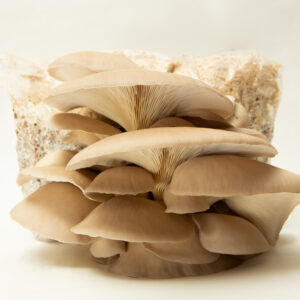
| 1 | Fruiting and Harvest (Weeks 1-3). Hydrate and monitor a certified substrate block. | Track and measure the entire mycelium lifecycle. |
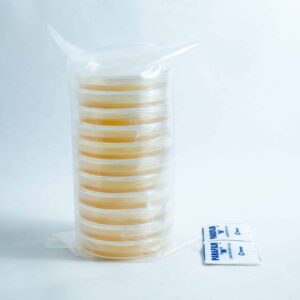
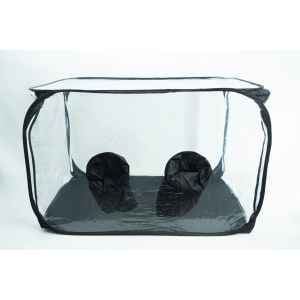
| 2 | Tissue Culture (Weeks 4-5). Extract inner tissue from the first harvest and transfer cuttings to agar plates or liquid culture. | Achieve sterile transfer in a controlled environment. |
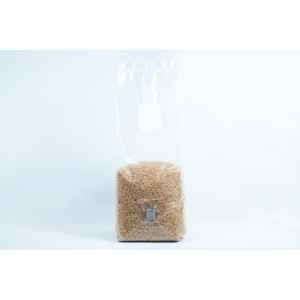
| 3 | Spawn Expansion (Weeks 6-8). Transfer the colonized mycelium to sterilized grains. | Expand the mycelial mass onto a nutrient-dense carrier (grain spawn). |
| 4 | Bulk Inoculation (Weeks 9-12). Substrate experimentation and second generation. | Complete the biological loop and fruit a second generation (clone). |
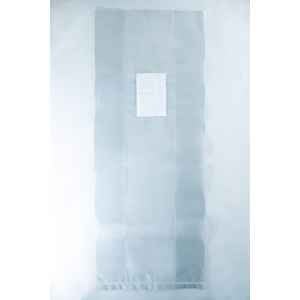
Order the official Australian components for the mission here!
Showing all 9 resultsSorted by popularity